

The History of the Advent Calendar: From Chalk Marks to Gift-Filled Boxes
How a 19th-century German Christmas countdown grew into today's chocolate, tea, and treat-filled calendars
Published: Nov 16, 2022 | Modified: Oct 21, 2026
The first Advent calendars began in 19th-century Germany, as chalk marks on walls. Those original celebrants would no doubt be amazed by the today's beautiful gift-box calendars filled with snacks, toys, and other surprises. They might also be surprised that Advent calendars don't necessarily begin when Advent does. Keep reading to learn all about the history of these festive delights.

Advent's changing dates
Advent is the four-week period leading up to Christmas, beginning on the fourth Sunday prior to the holiday and ending on Christmas Eve. Advent in 2026 starts on November 29; in 2027 it will begin on November 28. The Advent calendar countdown most of us know, however, usually runs from December 1 through December 24, with a door or drawer to open each day.
The changing dates of Advent could be one reason Christians in Germany began marking the days with chalk on their wall in the early 1800s. Soon they progressed to a more tangible way to count the days: The first known physical calendars were handmade in Germany in 1851. They remained an artisan, homemade craft for the next half-century.

20th-century innovations
Gerhard Lang, from southwest Germany, is considered the father of the Advent calendar as we know it. He started printing calendars on thick cardboard around the turn of the 20th century. That shift from handmade to printed allowed the tradition to reach many more people.
Lang’s business did not survive World War II, due to the rationing of cardboard. A year after the war ended, however, Stuttgart printer Richard Sellmer revived the printed Advent calendar. His first design, "Die kleine Stadt" ("The Little Town"), showed a snowy village scene that evoked the sense of serenity people longed for after the war.
And it wasn't only Germans who sought that sense of old-fashioned joy. Sellmer mass-produced his calendars and exported them throughout the rest of Europe and to the United States. Generations born after World War II grew up with traditional cardboard calendars similar to Sellmer's. Behind each die-cut window was a biblical picture or verse, revealed one day at a time.



How Advent calendars became gift boxes
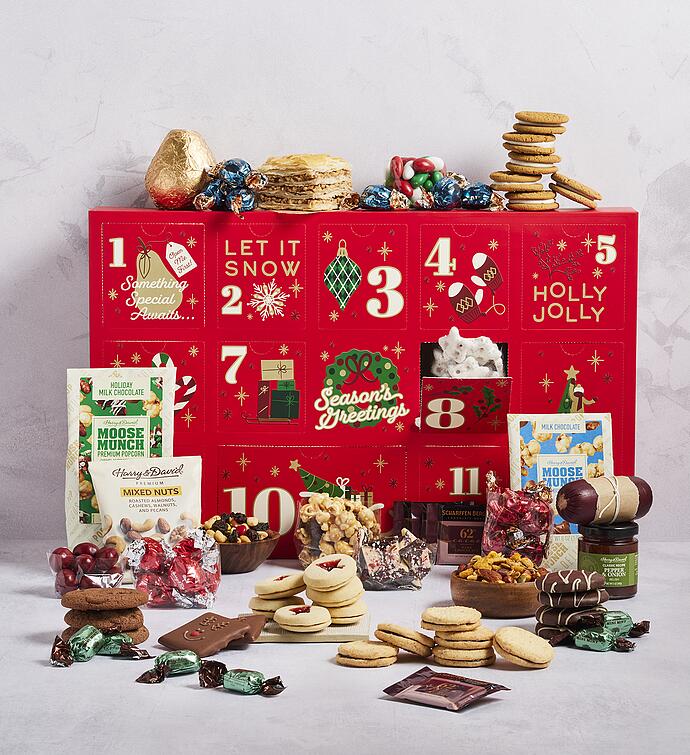
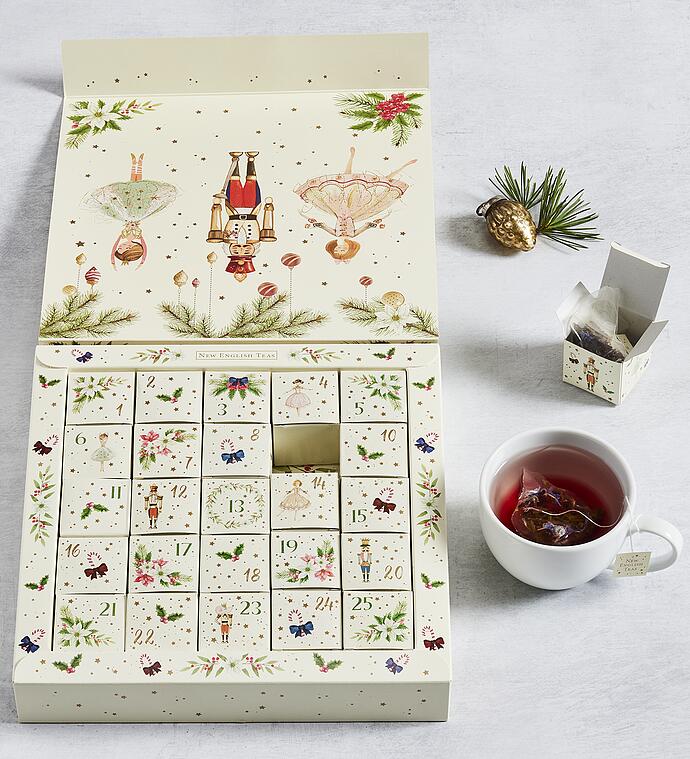
In 1971 the British confectioner Cadbury added chocolate to its Advent calendar. Cadbury was not the first to put sweets in an Advent calendar, but its version was the most influential. Soon the doors and drawers became larger, allowing calendars to hold just about anything from books to makeup to fishing lures (yes, really!).
Today an Advent calendar can be a gift as well as a countdown, something you give a friend, a family, or yourself to make each December morning feel more festive. The content may have changed, but the anticipation is the same one German families felt more than 150 years ago.
The making of Harry & David's Advent calendars
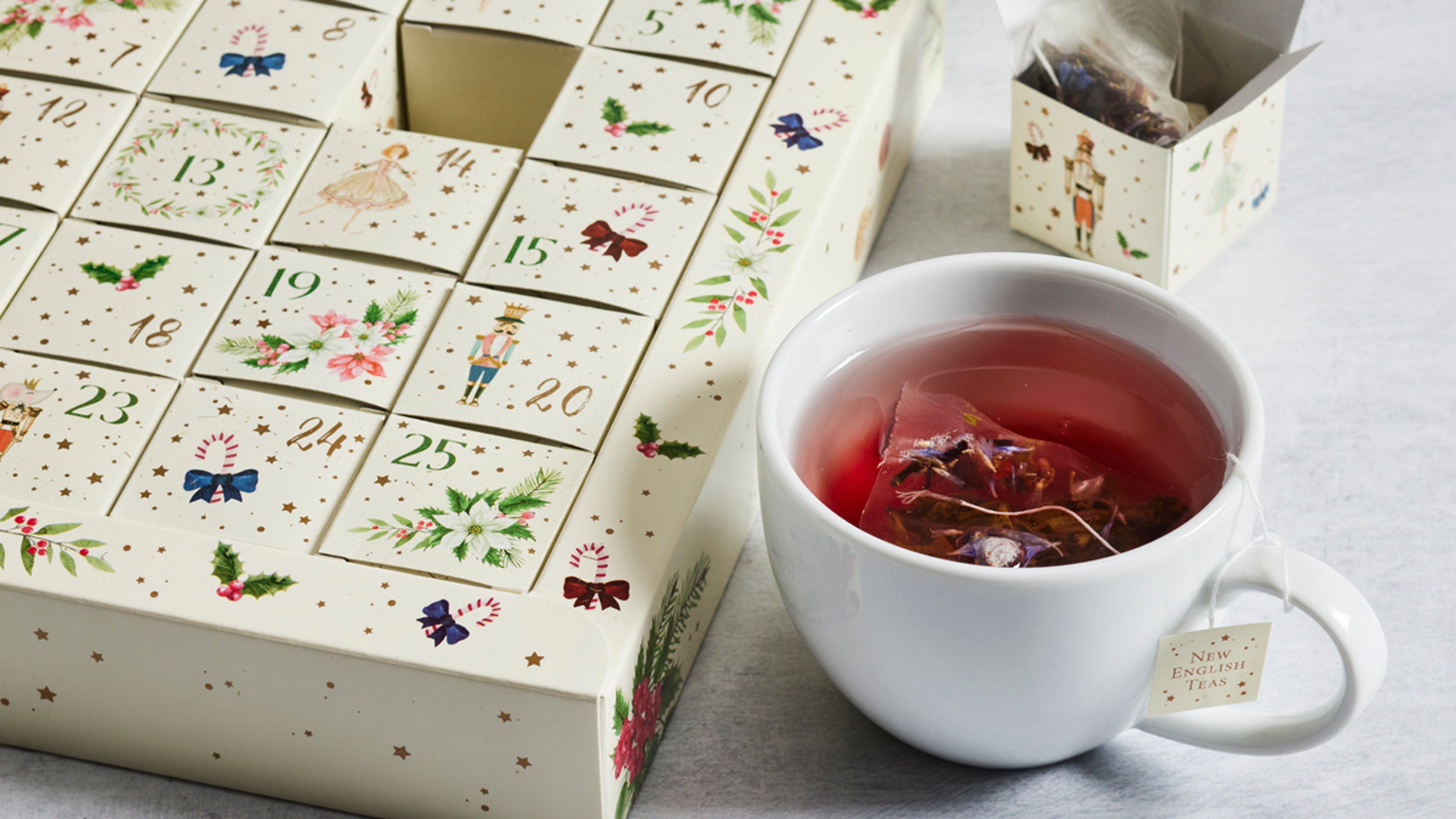
Harry & David's collection of Advent calendars includes elaborately designed keepsakes and compartments filled with everything from cookies to teas. Along with the traditional 24-day calendars, we offer 12-day countdowns such as the 12 Days of Christmas Tower and Wolferman's Advent Calendar. There truly is a calendar for just about everyone on your list.
Every Harry & David Advent calendar begins with the food itself. "Once the food elements are chosen, each compartment is created to fit the consumable element and the desired structure," says Shelley Pritchett, who is responsible for the design and packaging of Harry & David's Advent calendars and many other Christmas packaged gifts.
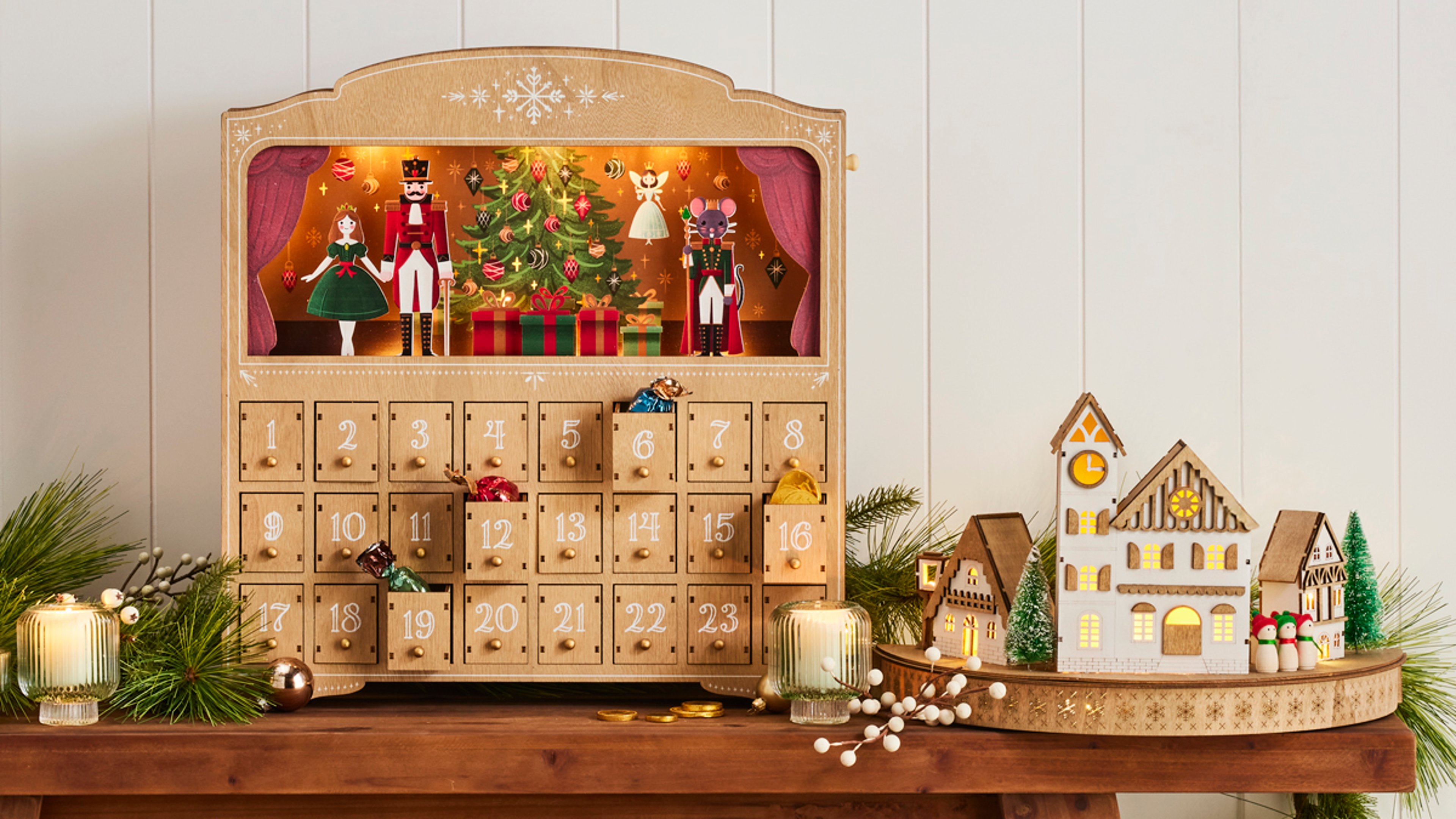
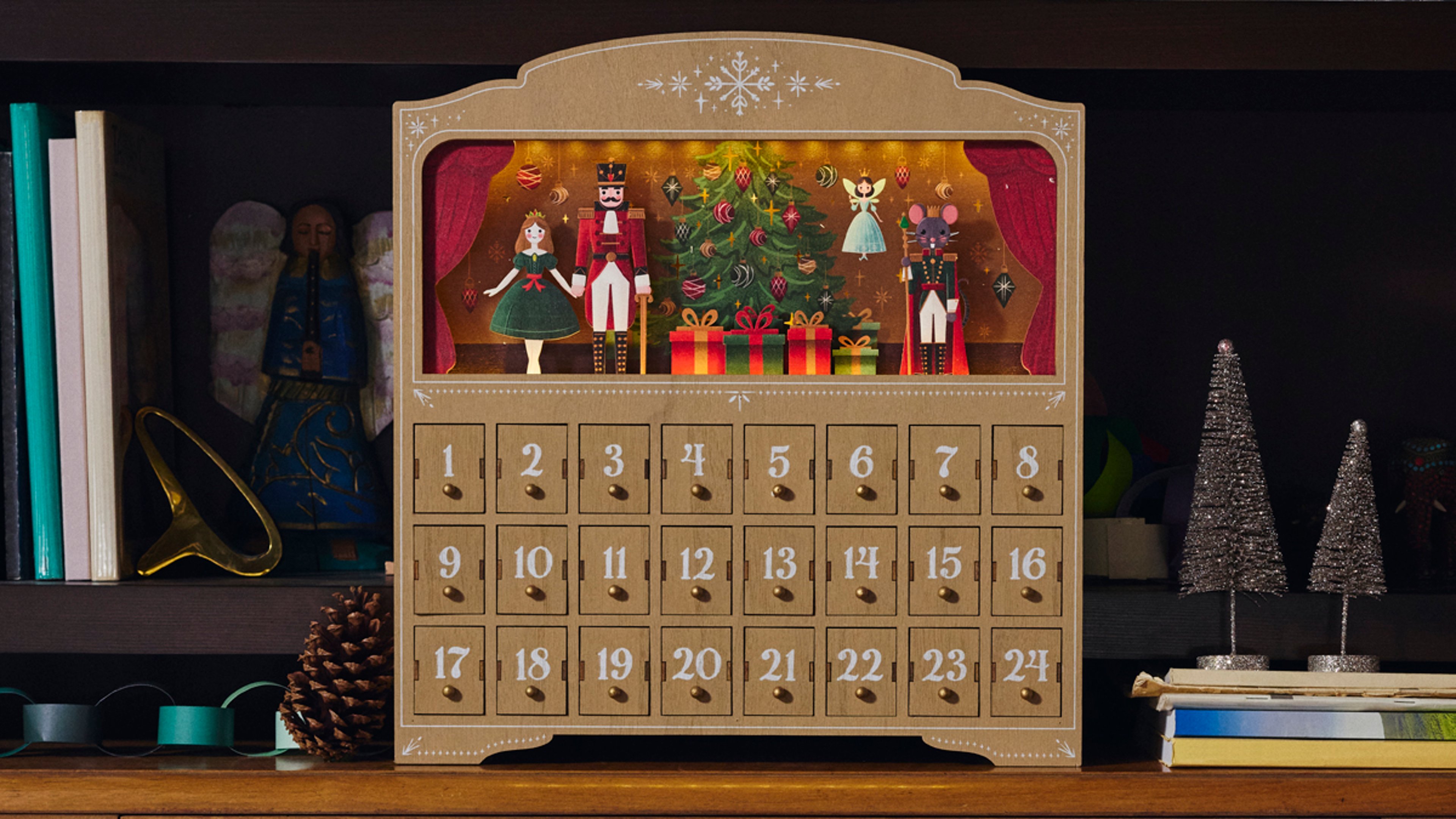
The development process is not simple. The keepsake Limited Edition 24 Days of Treats Advent Calendar, for instance, required design, engineering, product development, and merchants to meet on a weekly basis to bring it to life. "The first sample of the Advent calendar was sized to fit multiple items, but the prototype was bigger than a standard mantel would hold," Pritchett explains. "Back to the drawing board, and after five months of development, we finalized a 24-day Advent calendar that we hope will make recipients happy for many years to come." Above the wooden calendar's 24 treat-filled drawers are beautifully rendered characters from The Nutcracker, illuminated by battery-operated lights inside, and you can wind it up to hear the famous "March of the Toy Soldiers."
Just remember: Whichever calendar you choose or receive, open only one box a day—no cheating!

Where did Advent calendars originate?
Advent calendars originated in Germany in the 1800s. Christian families counted down the days of the Advent season with chalk marks on the wall, and the first known physical calendars were handmade there in 1851. The tradition remained a homemade craft until printed calendars appeared around the turn of the 20th century.
Who invented the printed Advent calendar?
German printer Gerhard Lang is considered the father of the Advent calendar as we know it. Around the turn of the 20th century he began printing calendars on thick cardboard, transforming a handmade family tradition into a product many households could enjoy.
When do you start opening an Advent calendar?
Most Advent calendars start on December 1 and run through December 24, with one door opened each day. The Advent season itself begins on the fourth Sunday before Christmas and ends on Christmas Eve, so its start date shifts from year to year, while the calendar countdown usually stays the same.